Published
- 2 min read
The Ultimate Combo: Feeders + Flowers (Garden Design Guide)
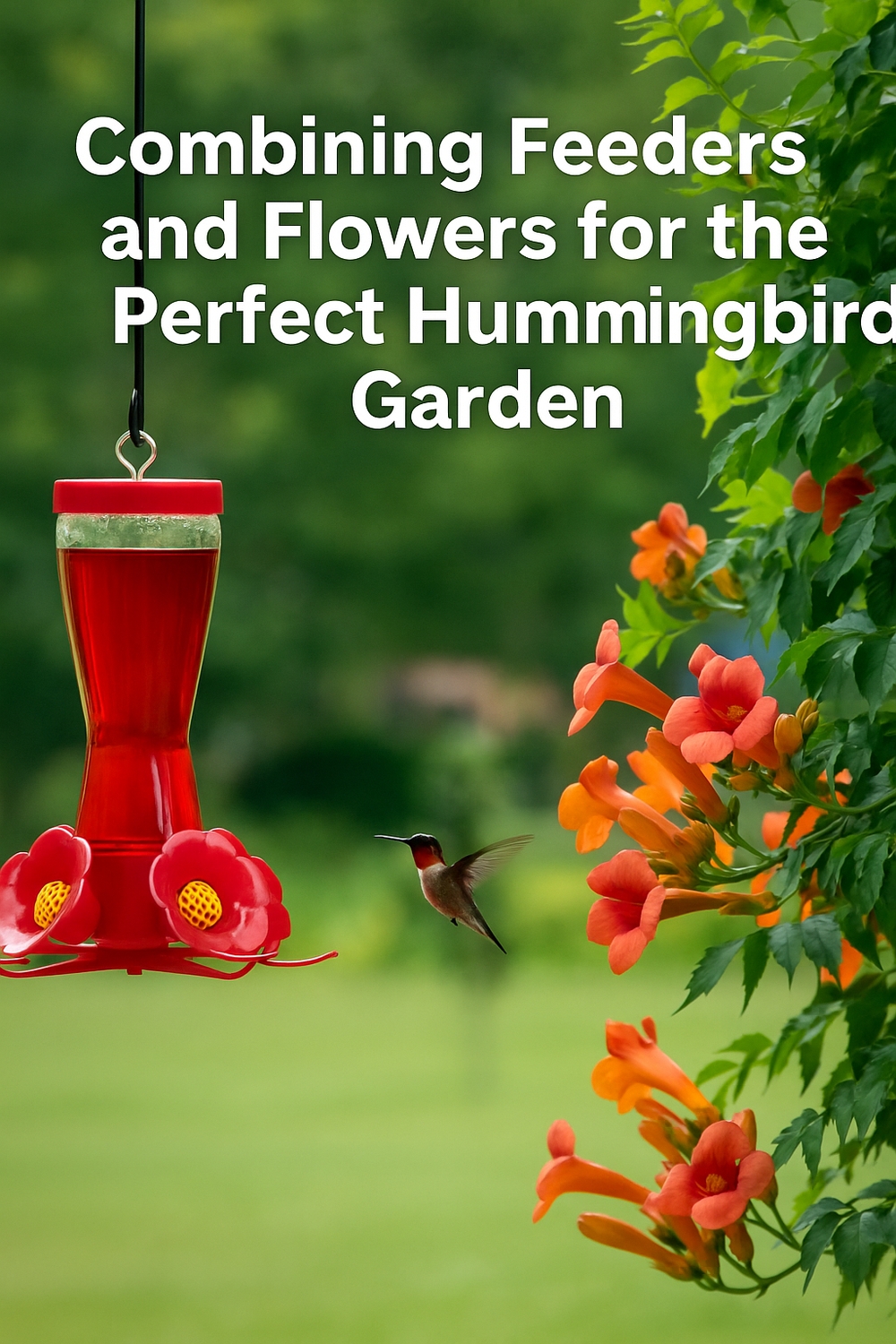
🌸 The Ultimate Combo: Feeders + Flowers
A feeder is a snack bar. A flower garden is a home.
If you want hummingbirds to live in your yard—not just visit—you need to combine the reliability of a feeder with the natural appeal of flowers.
Here is how to design the perfect “Hummingbird Station.”
🎨 Design Strategy: The “Bullseye”
Imagine your garden is a target.
- The Center (Bullseye): Your Feeder. This is the high-calorie anchor.
- The Inner Ring: Bright red/orange tubular flowers. (Salvia, Fuchsia).
- The Outer Ring: Tall, sheltering shrubs and trees. (Dogwood, Vines).
This draws them in from a distance (trees), guides them to the color (flowers), and keeps them there with the sugar (feeder).
🌻 Best “Feeder Companion” Plants
Plant these directly under or next to your feeder pole.
- Salvia ‘Hot Lips’: Fast-growing, red/white flowers.
- Bee Balm (Monarda): A native magnet for hummers.
- Lantana: Provides a colorful landing pad.
Pro Tip: Avoid planting thorny roses right next to the feeder. You don’t want to tear their wings.
🛠️ The Gear You Need
- Adjustable Shepherd’s Hook: Get a sturdy, double-arm hook. Hang a feeder on one side and a basket of Fuchsia on the other. This doubles the attraction power.
- Garden Stakes: Place these near the flowers to give them a place to perch and digest between sips.
📅 The “Continuous Bloom” Calendar
Feeders are critical in the “shoulder seasons” when flowers are scarce.
- Spring (April): Feeders are 90% of their diet. Plant early Columbine.
- Summer (July): Flowers are 60% of their diet. Feeders are just for easy energy.
- Fall (Sept): Feeders become critical again as they fatten up for migration.
Combine nature and nutrition, and you will have a backyard buzzing with life.
Happy Planting!