Published
- 3 min read
How to Attract Hummingbirds Without Feeders (The Natural Way)
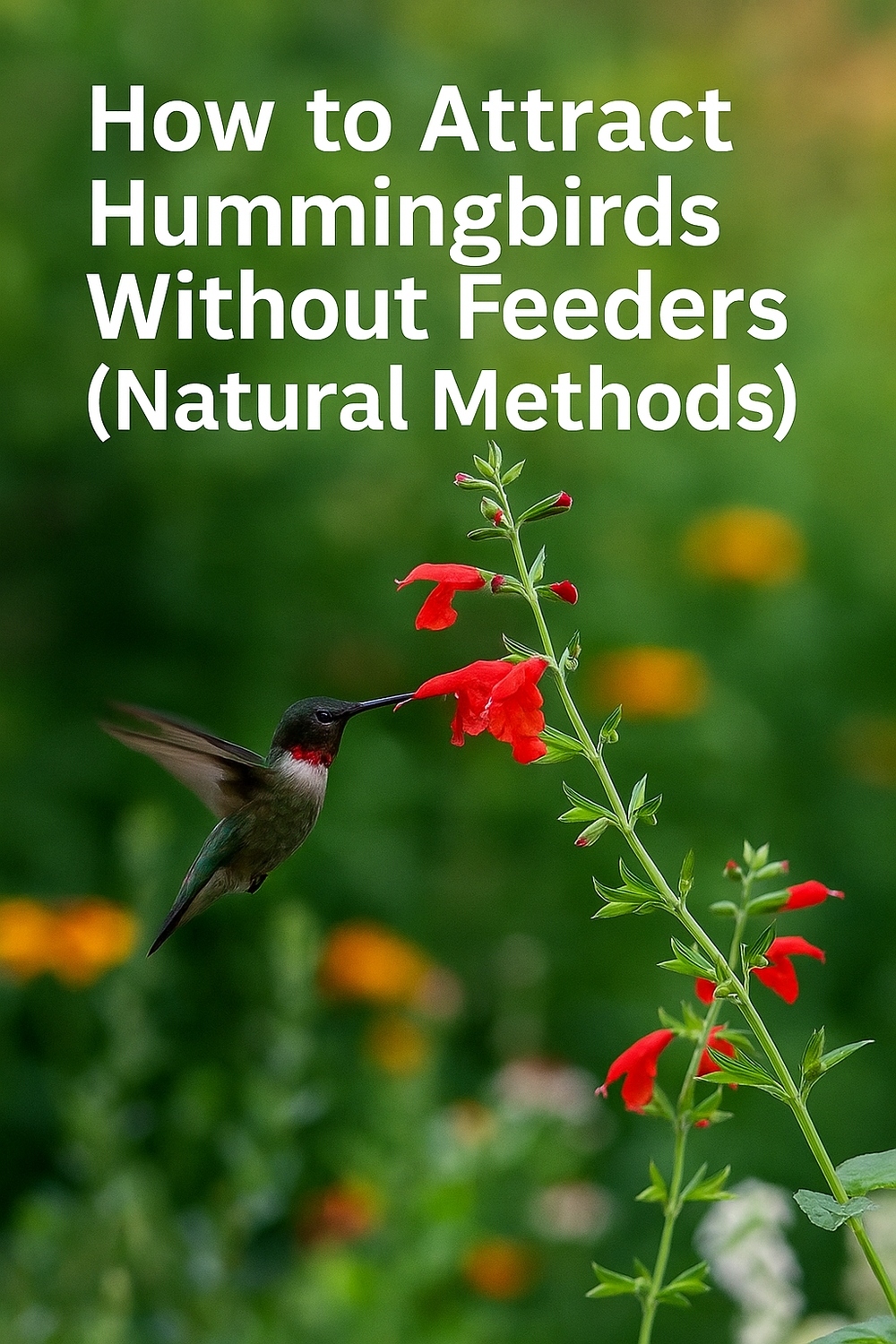
🌿 How to Attract Hummingbirds Without Feeders
While sugary nectar feeders are the most common way to bring hummingbirds to your yard, they aren’t the only way. In fact, relying solely on feeders is like offering a guest only dessert—they might stop by, but they won’t stay for dinner.
To build a true sanctuary that keeps hummingbirds living, sleeping, and nesting in your yard, you need to provide the other two pillars of survival: Water and Shelter.
Here is how to turn your garden into a hummingbird magnet without filling a single plastic bottle.
1. The Magic of Moving Water 💧
Hummingbirds rarely drink from still birdbaths. They prefer to fly through water. They love mist, sprays, and dripping leaves.
- Why it works: The sound of splashing water acts as an auditory beacon, calling birds from a distance who might not see your flowers yet.
- The Tool: A simple solar fountain is a game-changer. It turns any bowl of water into a shower.
Recommendation: The Mademax Solar Fountain Pump is inexpensive and floats in any birdbath. It creates a gentle spray that hummers love to zip through to clean their feathers.
2. Encourage “Good” Bugs 🐞
Did you know that 80% of a hummingbird’s diet is actually insects? They need protein to build muscle and feed their babies. Nectar is just fuel; bugs are the meal.
- The Strategy: Stop spraying pesticides!
- What to encourage: Fruit flies, gnats, and spiders are hummingbird favorites. A “rot pile” of overripe bananas hidden in a back corner can actually create a fruit fly buffet that hummingbirds will defend fiercely.
3. Provide Soft Nesting Material 🧶
Hummingbird nests are architectural marvels made of lichen, spider silk, and soft plant down.
- The Strategy: Leave the spiderwebs! Hummingbirds steal sticky webs to glue their nests together.
- Plant Material: Grow plants like Lamb’s Ear or Milkweed. The soft, fuzzy down from these plants is prized bedding material.
- Commercial Options: You can buy “Hummingbird Helper” nesting wool, but natural cotton or plant fibers work best.
4. The “Red Ribbon” Trick 🎀
If your flowers haven’t bloomed yet, you can trick scouts into checking out your yard.
- The Strategy: Tie ribbons of bright red surveyor’s tape or red ribbons on bushes and trees.
- Why it works: Hummingbirds have excellent vision and are inquisitive. They investigate anything red to see if it’s food. Once they are in your yard, the water and insects will encourage them to stay.
5. Create Perching Zones 🪑
Hummingbirds spend 80% of their day sitting, not flying. They need safe places to rest, digest, and survey their territory.
- The Strategy: Leave dead twigs on trees (snags). These leafless branches are perfect lookout posts because they offer a clear view of predators and rivals.
- Placement: Place a tall stake or trellis near your water feature or flower bed to give them a “throne.”
📋 Summary: The “No-Feeder” Checklist
| Method | Why it Works | Action Item |
|---|---|---|
| Solar Fountain | Sound & Bathing | Add a Mademax Pump to a bowl of water. |
| No Pesticides | Food Source (Protein) | Let gnats and spiders live. |
| Spider Webs | Nest Construction | Don’t knock down webs in high corners. |
| Red Ribbons | Visual Beacon | Tie red ribbons on fences in early spring. |
| Perches | Rest & Security | Leave small dead branches on trees. |
By mimicking their natural habitat, you create a space where hummingbirds feel safe enough to raise a family—not just stop for a quick snack.
Happy Birding!