Published
- 2 min read
Feeding Hummingbirds in March: What to Do When Flowers Haven’t Bloomed
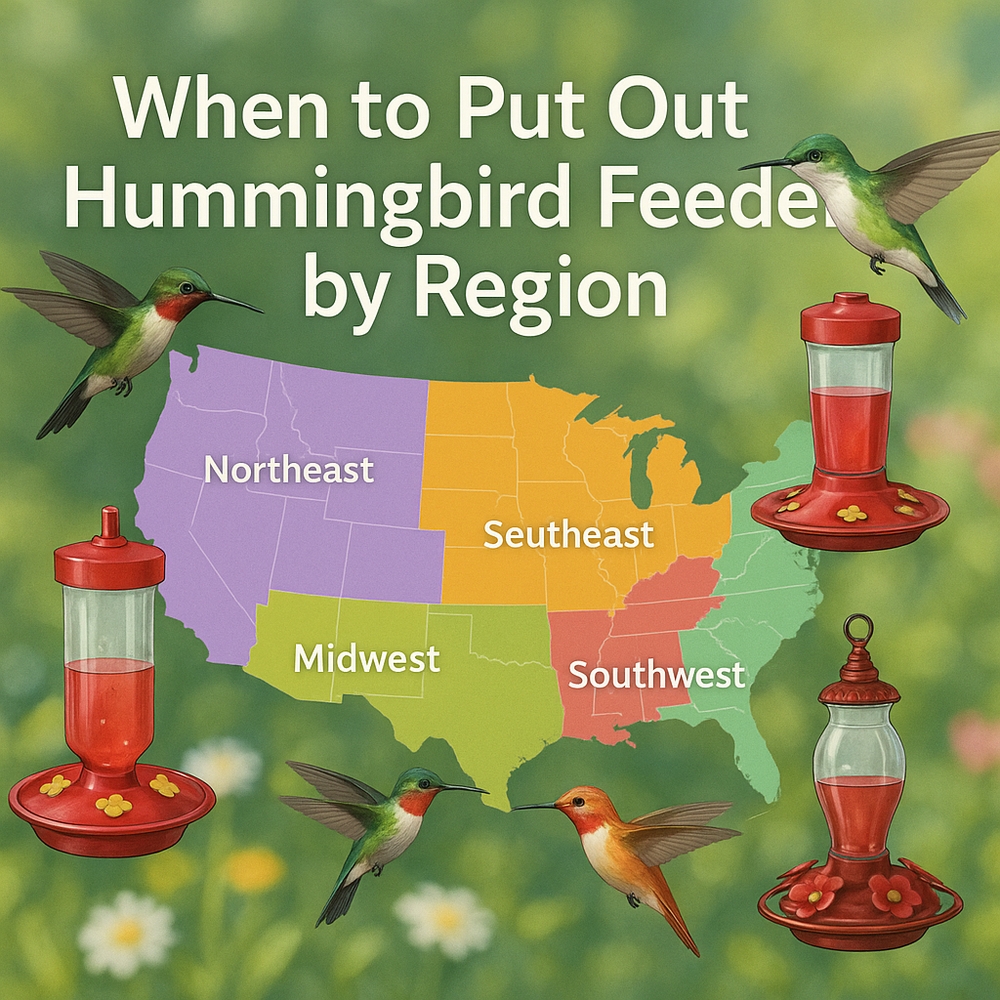
🌸 Feeding Hummingbirds in March: What to Do When Flowers Haven’t Bloomed
In 2025, many birders are reporting a “migration mismatch.” Hummingbirds are arriving in the Southern and Central US, but the spring flowers are still weeks away from blooming.
If you see a hummingbird in your yard and your garden is still brown, don’t panic. You can be their primary food source until nature catches up.
1. Become the “Main Restaurant” 🍽️
In the summer, hummingbirds get about 80% of their food from natural nectar. In March, they might get 100% of their food from your feeder.
- The Fix: Increase the number of feeders you have out. If you normally hang one, hang three.
- Concentration: Stick to the standard 4:1 Nectar Recipe. Do not make it stronger thinking it helps; it can actually dehydrate them.
2. Protein is Just as Important 🦟
Hummingbirds don’t just eat sugar; they need bugs for protein. In early spring, there are fewer gnats and fruit flies.
- The Trick: Place a few overripe banana peels in a mesh bag near your feeders. This will attract fruit flies, providing a vital protein snack for the birds.
3. The “Early Bird” Color Strategy 🔴
Since there are no bright flowers to catch their eye, your feeders need to be extra visible.
- The Fix: Tie red ribbons or hang red outdoor decor near your feeding station. This acts as a “Neon Sign” for high-flying scouts looking for a place to refuel.
🛠️ Essential Early Spring Gear
- Birds Choice Best-1: The most reliable glass feeder for high-volume spring feeding.
- Nectar Defender: Crucial for March when weather is unpredictable and you might not be able to clean the feeder daily.
Thank you for saving these early travelers!