Published
- 2 min read
7 Predators That Eat Hummingbirds (Is Your Backyard Safe?)
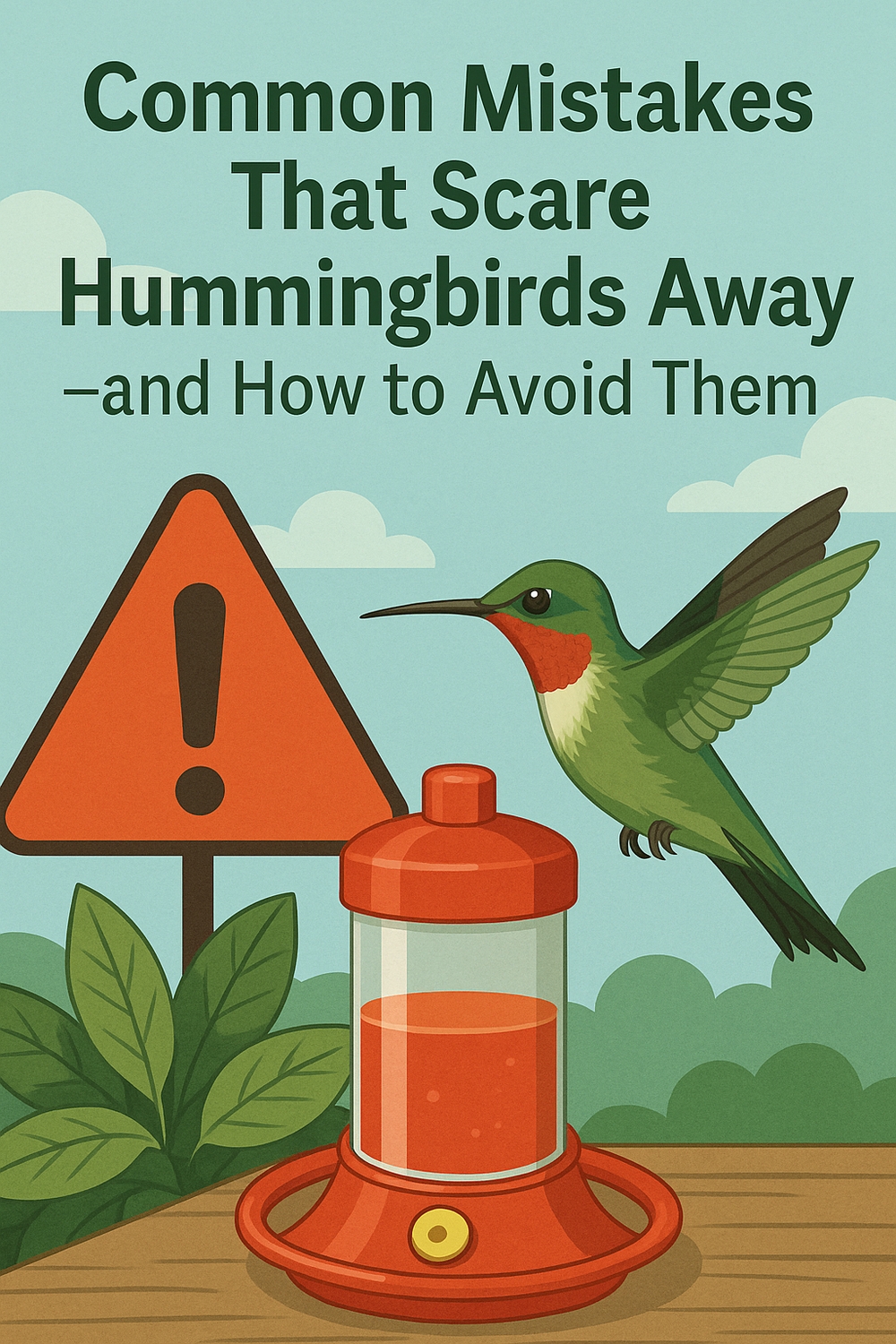
🦅 7 Surprising Hummingbird Predators in Your Backyard
We see hummingbirds as fast, agile pilots. But to a predator, they are just a slow, calorie-rich moth.
You probably know about cats, but there are silent killers lurking in your flower beds that you might be inviting in.
Here are the 7 predators you need to watch out for.
1. Praying Mantises
This is the most shocking one. Large (invasive) Chinese Mantises will sit on a feeder or flower and wait. When a bird comes close, they strike. They are strong enough to catch and eat a hummingbird.
- The Fix: Inspect your feeders daily. If you see a large mantis (4+ inches), relocate it far away from the bird garden.
2. Outdoor Cats
Cats are the #1 killer of birds worldwide. They hide in bushes near feeders and pounce when the bird is hovering (and distracted).
- The Fix: Keep cats indoors. If that’s not possible, place feeders 6 feet high and away from low shrubbery where cats can hide.
3. Bullfrogs
If your feeder is over a pond, beware. Large American Bullfrogs will jump out of the water to snag a low-flying bird.
- The Fix: Keep feeders away from the water’s edge.
4. Spiders (Orb Weavers)
Large garden spiders spin webs strong enough to trap a hummingbird. The bird gets tangled and dies of exhaustion or is eaten.
- The Fix: Use a broom to gently clear large webs near your feeders.
5. Other Birds (Hawks & Jays)
Sharp-shinned Hawks, Kestrels, and even Blue Jays will snatch a hummingbird mid-air.
- The Fix: Provide Shelter. Ensure there is a dense bush nearby where the hummingbird can dive for cover.
6. Dragonflies
Large dragonflies (like the Dragonhunter) can tackle young or weak hummingbirds in flight.
- The Fix: Hard to prevent, but a balanced ecosystem helps.
7. Snakes
Arboreal snakes will climb feeder poles or lie in hanging baskets waiting for a meal.
- The Fix: Use a Metal Baffle on the pole to stop snakes from climbing up.
🛡️ How to Build a “Safe Zone”
- Height: Hang feeders at least 5-6 feet up.
- Clearance: Keep a 10-foot “clear circle” around the feeder so predators can’t hide, but keep a “safety bush” just beyond that circle.
- Vigilance: Check your feeders for mantises and webs every time you refill.
Nature is wild, but you can tip the odds in your birds’ favor.
Safe Birding!